
The Short Answer: What Composite Decks Cost in San Francisco
Composite deck cost in San Francisco typically runs $15,000–$60,000+ depending on size, site conditions, and materials. Most mid-sized decks (around 300 sq ft) fall between $15,000 and $35,000 fully installed. Multi-level hillside builds and decks with pergolas push higher. Here's what actually drives the range — with pricing from 500+ Bay Area projects, not national averages.
SF composite deck pricing runs 25–40% above national averages. Steep lots, SF DBI (San Francisco Department of Building Inspection) permits, and the coastal fog and salt air that shorten the life of inferior materials all push costs up. Those aren't excuses — they're the reality of building outdoors in this city. If you've gotten a quote that looks suspiciously low, keep reading.
Price Ranges by Project Type
These ranges reflect real installed costs from composite deck construction projects across SF's neighborhoods — not numbers pulled from a national cost database. Every figure below comes from permitted, licensed work across 31 Bay Area cities.
Standard 300 sq ft Deck ($15,000–$35,000)
A standard single-level deck is the most common composite deck project in San Francisco. This scope covers a single-level deck off the rear of the home, ground-level or minimally elevated, with composite decking, pressure-treated framing, and cable or aluminum railings.
At the lower end ($15,000–$20,000), you're getting Trex Enhance or a comparable entry-level composite, standard pressure-treated posts and beams, and basic railing. At the upper end ($28,000–$35,000), you're stepping into Trex Transcend or TimberTech AZEK, hidden fasteners, powder-coated aluminum railings, and a more complex shape — maybe an angled corner or bump-out. Typical timeline: 3–5 weeks from permit to final inspection.
In flat-lot Noe Valley, where rear yards are compact but level, a 300 sq ft Trex Enhance deck runs about $18,000–$24,000 installed. The lot is easy to work, access isn't a problem, and the footing depth required by SF's soils is predictable. Compare that to a similarly-sized deck on a sloped lot in San Francisco's hillier neighborhoods — the same square footage can cost $8,000–$12,000 more.
Multi-Level Hillside Deck ($35,000–$60,000+)
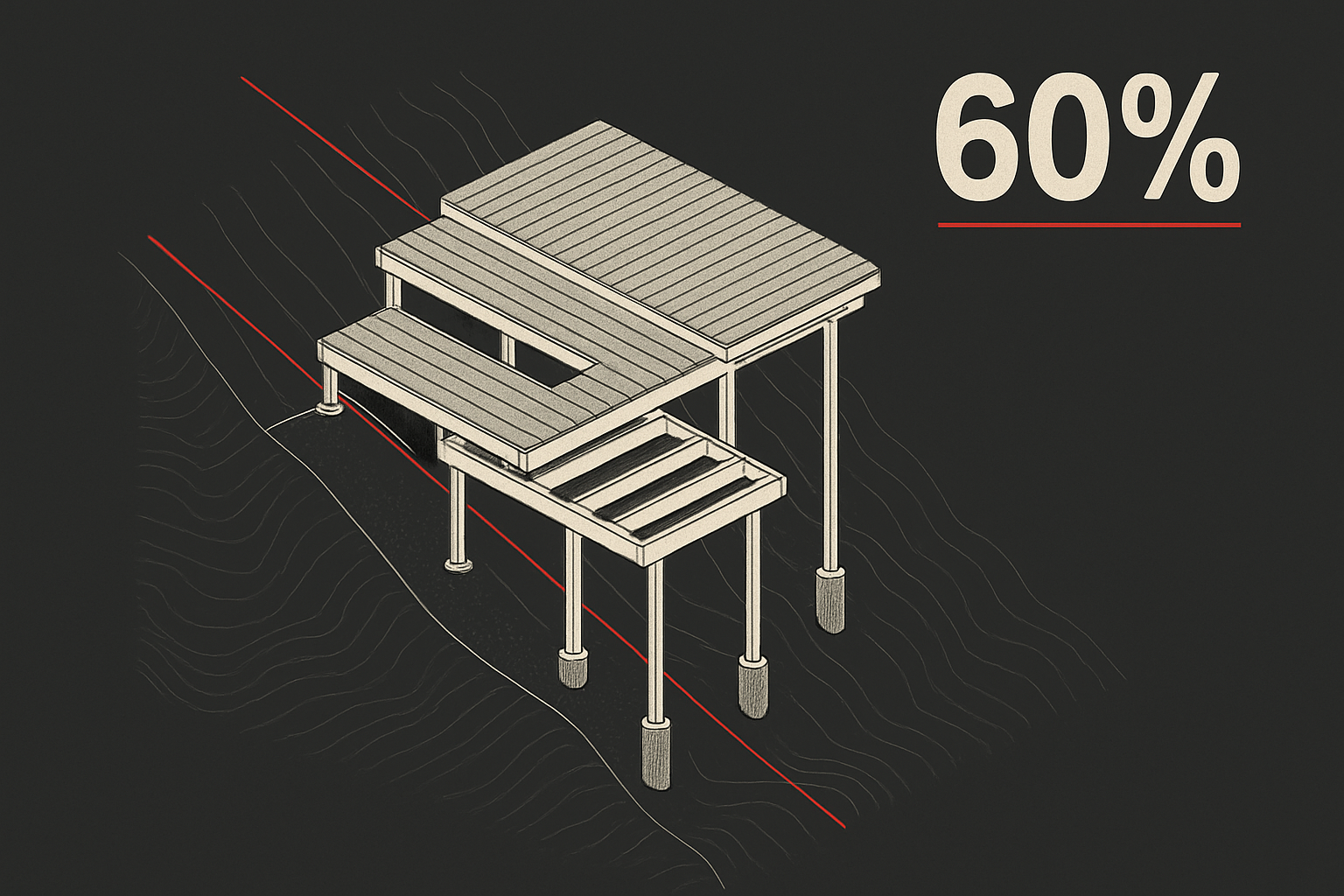
Multi-level hillside decks are the most structurally complex composite deck projects in San Francisco. Twin Peaks, Bernal Heights, and the outer Sunset all have one thing in common: your backyard doesn't cooperate. Hillside decks require deeper footings, more structural steel or engineered lumber, longer post runs, and significantly more labor to frame safely.
A two-level deck on a 20% grade typically adds $10,000–$20,000 to what the same square footage would cost on flat ground. At 400–600 sq ft of total deck surface across two levels, you're looking at $38,000–$60,000+ installed. That range includes TimberTech or Fiberon decking, composite or aluminum railings on all open sides, and the structural engineering letter that SF DBI requires for elevated decks on hillside lots.
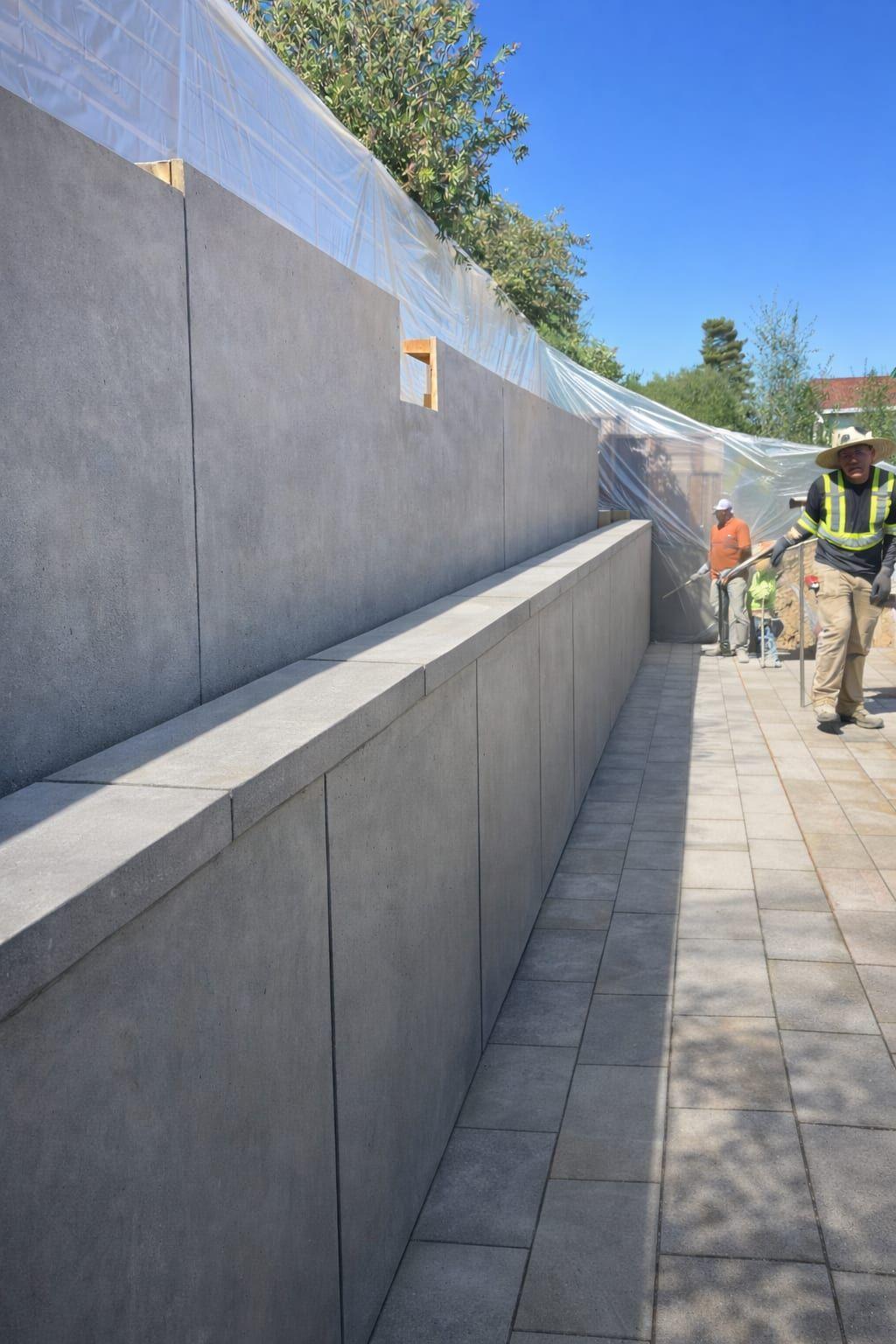
Timeline for multi-level hillside builds: 5–8 weeks. Footings alone can take a week when crews are working on a steep slope with limited equipment access. Retaining walls are sometimes part of this scope when the grade beneath the deck needs stabilization before framing can begin.
Deck with Pergola and Lighting ($25,000–$50,000)
Adding a pergola and lighting to a composite deck typically costs $10,000–$23,000 more than the base deck alone. A pergola (a freestanding or attached overhead structure providing partial shade) adds $8,000–$18,000 to a standard deck depending on size, material, and whether it's carrying any load. Add LED recessed lighting in the decking boards and step lights, and you're adding another $2,000–$5,000 for materials and a licensed electrician.
A 450 sq ft deck with an attached pergola and LED lighting in the Sunset — where fog makes the outdoor season shorter and homeowners want every usable hour — runs $35,000–$50,000. The fog belt also makes material choice matter more here: TimberTech AZEK's 50-year fade warranty is worth the premium when your deck sees moisture 200 days a year.
Railing-Only Replacement ($3,000–$8,000)
A railing-only replacement is a legitimate, cost-effective option when your deck structure is sound but your wood railings are rotted, splitting, or non-compliant with current code.
Aluminum cable railings run $150–$250 per linear foot installed. Composite railings (Trex Signature, TimberTech RadianceRail) run $120–$200 per linear foot. A standard 40-linear-foot railing replacement lands at $5,000–$8,000. This is a half-day to two-day job for an experienced crew. If you're not sure whether your deck structure qualifies for a railing-only fix, that's exactly the kind of thing a free site visit resolves — we'll tell you honestly if the framing is worth keeping.
What Drives Composite Deck Costs in San Francisco
Material Selection (Trex, TimberTech, Fiberon)
Material choice is one of the biggest levers in composite deck pricing in San Francisco. Composite decking isn't a commodity — there's a meaningful quality gap between manufacturers and product lines. Here's how the major brands compare:
| Material | Installed Cost | Fade/Stain Warranty | Best For |
|---|---|---|---|
| Trex Enhance | $10–$13/sq ft | 25 years | Budget-conscious builds, inland lots |
| Trex Transcend | $14–$18/sq ft | 25 years | Most SF neighborhoods |
| TimberTech AZEK | $18–$22/sq ft | 50 years | Coastal / fog belt (Sunset, Richmond, Pacifica) |
| Fiberon Paramount | $16–$20/sq ft | 50 years | Value premium, hillside builds |
| TimberTech Legacy | $12–$15/sq ft | 25 years | Mid-range with solid track record |
The coastal weather durability difference matters specifically in San Francisco. The fog belt — the Sunset, the Richmond, Pacifica's Linda Mar and Rockaway neighborhoods, Sausalito waterfront — puts decking through cycles of moisture and UV that chew through cheaper composites faster than the manufacturer's warranty suggests. TimberTech AZEK's polymer-capped core genuinely holds up better in that environment. We've seen Trex Enhance boards show surface cracking within 8 years on a west-facing Sunset deck. We haven't seen that with AZEK.
Site Access and Demolition
Site access is a cost driver that surprises almost every San Francisco homeowner budgeting a composite deck for the first time.
In most Bay Area suburbs, a contractor parks a truck in the driveway and wheels materials to the backyard. In San Francisco, that rarely happens. Narrow lots, locked side gates, shared driveways, and homes that back up to other homes mean materials often get hand-carried through the house or over fences. That adds labor. Parking a debris bin on a Bernal Heights or Noe Valley street requires a street-use permit ($200–$400) and isn't always possible. Some projects require a crane or materials lift — add $1,500–$3,500 for that equipment day.
Demolition of an existing wood deck adds $2,000–$6,000 depending on size and access. If the old deck is elevated and post-removal requires shoring, costs increase.
Structural Requirements (Hillside, Multi-Level, Elevated)
Hillside structural requirements can add $5,000–$15,000+ to composite deck costs in San Francisco compared to flat-lot builds.
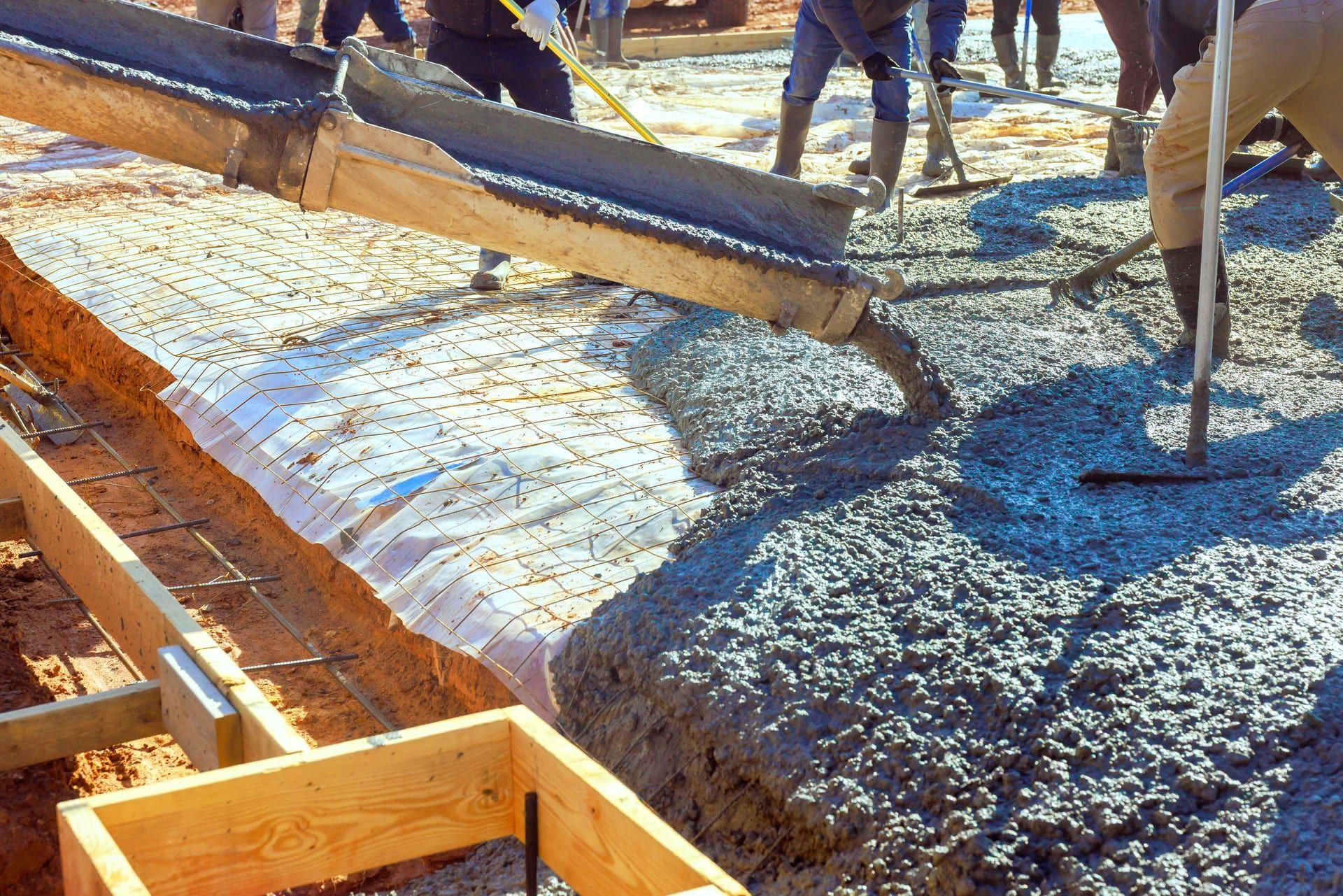
Any deck elevated more than 30 inches off grade in San Francisco triggers a structural engineering review — separate from the DBI permit. That review costs $1,500–$4,000 depending on complexity and typically requires stamped drawings. Hillside lots in Twin Peaks, Bernal Heights, and the southern neighborhoods need deeper concrete piers (often 3–4 feet below grade, sometimes helical piers if the soil is unstable). Each pier adds $400–$900 over a standard footing. A hillside deck needing 8 piers vs. 4 standard footings adds $3,000–$4,000 before a single board goes down.
Multi-level builds also require intermediate landings, stairs, and handrails on every level — all of which need to meet current IRC (International Residential Code) requirements as enforced by DBI. SF's clay-heavy soils are also a factor: they shift seasonally, which is why concrete foundation work and footing specs for elevated decks here aren't the same as they are in the East Bay.
SF DBI Permits (Decks Over 30 Inches)
Any composite deck in San Francisco that rises more than 30 inches above grade requires a building permit from SF DBI — full stop.
At or below 30 inches, you may be exempt from a permit, but setback requirements and HOA rules still apply. The DBI permit process for a standard deck:
- Permit fee: $800–$2,500 depending on project valuation
- Plan check / review: $500–$1,500
- Inspections: Included in permit fee, but require scheduling (add 1–2 weeks to timeline)
- Total permit cost: $1,500–$4,500 for most residential deck projects
Timeline: DBI plan check typically runs 4–8 weeks for an over-the-counter permit on a straightforward deck, longer if your project requires structural review or goes into the back-check queue.
Contractors who quote you a deck without mentioning permits are either doing the work without one (your liability when you sell) or they haven't built enough SF decks to know the threshold. An unpermitted deck is a real problem at resale — we've seen buyers' attorneys flag them during escrow and kill deals. For context on how permits interact with broader renovation budgets, the SF home remodel cost guide covers DBI fees across project types.
Add-Ons: Pergolas, Lighting, Railings
Each add-on carries a real, predictable cost impact on your total composite deck price:
- Attached pergola (12×16 ft): $8,000–$14,000 installed, aluminum or wood structure
- Freestanding pergola: $10,000–$18,000 (requires its own footings)
- LED deck lighting (recessed in boards): $1,500–$3,500 for materials + licensed electrician
- Step lighting: $300–$800 depending on number of steps
- Gas line for fire feature: $2,000–$4,500 depending on distance to meter and permit
- Composite vs. aluminum railings: $50–$100/linear ft difference in material cost
Hidden Costs Most Contractors Don't Tell You About
These costs show up after demo starts. Budget for them before you sign a contract, not after.
1. Dry rot at the ledger board ($800–$4,000). The ledger board connects the deck structurally to your house. On older SF homes — particularly pre-1960 Doelger homes in the Sunset or Victorian-era homes in Noe Valley — improper flashing over decades allows water behind the ledger, rotting both the board and the house framing behind it. We find dry rot at deck ledger boards on roughly 30% of our SF deck replacements. Fixing it isn't optional — a failed ledger board connection is a deck collapse waiting to happen.
2. Undersized existing footings ($1,200–$3,500). If you're replacing an old deck, the original footings may not meet current SF code for the new structure — especially if the original deck was unpermitted. New footings mean excavation, concrete, and cure time. This is particularly common in Daly City's Westlake Doelger homes and older Oakland Craftsman bungalows where decks were added informally decades ago.
3. Inadequate drainage ($500–$2,000). SF's clay-heavy soil doesn't drain well. If water pools under or around your deck, you need French drains, gravel beds, or re-graded soil before the new structure goes in. Ignore this and you'll have standing water accelerating post rot within 5 years.
4. Electrical panel capacity ($500–$3,000). Adding deck lighting or a hot tub circuit sometimes reveals your panel is already at capacity. A sub-panel addition or breaker upgrade is a separate cost from the deck itself. This comes up regularly in pre-1970 homes across Berkeley and San Francisco where original panels weren't sized for modern outdoor electrical loads.
5. HOA architectural review fees ($300–$1,500). Some SF condos and planned developments require HOA approval before any exterior work. The review process can take 4–12 weeks and sometimes requires a fee plus architect-stamped drawings.
6. Gas line extension for fire features ($2,000–$4,500). Running a gas line from your meter to the deck — properly permitted through SF DBI and PG&E — is a separate scope that most composite deck quotes don't include.
7. Old deck fastener corrosion and structural damage ($600–$2,500). If you're doing a board-only replacement rather than a full rebuild, corroded joist hangers and hardware embedded in older framing often need full replacement once exposed. Stainless or hot-dipped galvanized hardware is required for any new composite install near the coast — standard zinc hardware corrodes fast in the fog belt.
Real Project Examples from 500+ Bay Area Projects
These aren't approximations. These are actual project scopes from our composite deck construction work in San Francisco neighborhoods.
Project 1: 320 sq ft Trex Enhance deck, Noe Valley Scope: Remove existing wood deck (310 sq ft), install 320 sq ft Trex Enhance Naturals composite decking on existing pressure-treated framing (framing passed inspection), new Trex Signature aluminum railing (42 linear ft), hidden fasteners throughout. Lot is flat, rear-yard access via side gate. DBI permit not required (deck under 30 inches). Dry rot found at one post base — post and footing replaced. Total: $22,000. Timeline: 3 weeks.
Project 2: 600 sq ft TimberTech Pro Legacy multi-level deck, Bernal Heights Scope: Demo and remove existing two-level wood deck (500 sq ft). Install new two-level TimberTech Pro Legacy composite deck (600 sq ft total), new helical piers on downhill side due to unstable fill soil, structural engineering required, TimberTech cable railing system (88 linear ft), DBI permit, two sets of stairs with code-compliant handrails, LED step lighting. Crane required for material delivery over fence on downhill side. Total: $48,000. Timeline: 7 weeks (including DBI permit review).
Project 3: 450 sq ft Fiberon Paramount deck with pergola and lighting, outer Sunset Scope: New construction on bare concrete slab (no demo). 450 sq ft Fiberon Paramount composite deck with grooved boards and hidden fasteners, 14×16 ft attached aluminum pergola, recessed LED lighting in deck boards (12 fixtures), step lighting (6 fixtures), electrical sub-panel circuit added for lighting load, composite railings (60 linear ft), DBI permit. Client chose Fiberon Paramount for the 50-year warranty given the fog exposure on their west-facing yard. Total: $39,000. Timeline: 5 weeks.
You can see the full scope of our composite deck projects in the project gallery. The gallery is filterable by project type and neighborhood.
How to Budget for Your Composite Deck in San Francisco
Get 2–3 estimates from licensed Class B contractors. Not handymen, not unlicensed crews. Deck structural failures cause injuries and create liability — and unpermitted decks create problems when you sell. Ask each bidder for their CA license number and verify it at the CSLB (Contractors State License Board) website.
Compare line by line, not total by total. A $5,000 gap between two composite deck bids usually means one contractor excluded demolition, permits, or electrical. Ask every bidder to break out: demo, permit fees, materials (with brand and product line specified), framing, decking, railings, lighting, and contingency. If a bid lists "composite decking — allowance," that's a red flag. You want a specific product name and price.
Budget a 10% contingency for hidden damage. Every SF deck replacement we've done has revealed at least one surprise — usually dry rot at deck ledger boards, corroded hardware, or drainage issues under the slab. Ten percent on a $25,000 project is $2,500. That's a reasonable reserve, not padding. The home remodel cost guide for San Francisco covers contingency budgeting in more detail if you're planning multiple projects at once.
Understand the per-square-foot math — but don't over-rely on it. Composite deck pricing in SF runs $50–$120+ per square foot installed. The range is wide because site conditions and materials vary more than square footage alone captures. A 300 sq ft flat-lot Trex deck in Noe Valley and a 300 sq ft hillside TimberTech deck in Twin Peaks are not the same project.
Ask about warranty — yours and theirs. Composite manufacturers offer 25–50 year fade and stain warranties. Your contractor should offer a workmanship warranty on the installation itself. We back every deck we build with a 5-year workmanship warranty in writing. That covers structural integrity, fastener failure, and installation defects — not manufacturer material issues, which are handled directly through the product warranty.
Here's what we do differently. We provide fixed-price written estimates with no allowances after a free site visit. Every line item is specified: the exact decking product, the railing system, the hardware spec, the permit cost, and the demo scope. No placeholder numbers. No "allowance for materials TBD." You know the number before we start — and it doesn't change unless you change the scope. We're a licensed Class B contractor (CA License #1132983) with 12+ years building decks across 31 cities in the Bay Area.
Frequently Asked Questions
How much does a composite deck cost in San Francisco in 2026?
Composite deck cost in San Francisco runs $15,000–$60,000+ for most residential projects. A standard 300 sq ft single-level deck typically lands at $15,000–$35,000 installed. Multi-level hillside builds in neighborhoods like Bernal Heights or Twin Peaks push to $35,000–$60,000+. SF pricing runs 25–40% above national averages due to permits, steep lots, and access challenges.
Does a composite deck in SF require a permit from DBI?
Yes — any deck more than 30 inches above grade in San Francisco requires a building permit from SF DBI (San Francisco Department of Building Inspection). Permit and plan-check fees typically add $1,500–$4,500 to your total project cost. Decks at or below 30 inches may be exempt from a permit, but setback and HOA rules still apply regardless of height.
How does Trex compare to TimberTech AZEK for a San Francisco deck?
Trex Transcend ($14–$18/sq ft installed) is a solid choice for most SF neighborhoods, with a 25-year fade warranty. TimberTech AZEK ($18–$22/sq ft) carries a 50-year warranty and a polymer-capped core that outperforms in high-moisture environments — making it a better fit for fog-belt locations like the Sunset, Richmond, or coastal Pacifica. The $4–$6/sq ft premium is worth it if your deck faces west or sits in persistent fog.
What hidden costs should I budget for when replacing a deck on an older SF home?
The most common hidden costs on SF deck replacements are dry rot at the ledger board ($800–$4,000), undersized original footings ($1,200–$3,500), and inadequate drainage under the deck ($500–$2,000). Pre-1960 Doelger homes in the Sunset and Victorian-era homes in Noe Valley are especially prone to ledger rot from decades of flashing failures. Budget a 10% contingency on top of your base estimate.
How long does it take to build a composite deck in San Francisco?
A standard 300 sq ft composite deck in SF takes 3–5 weeks from permit to final inspection. Multi-level hillside decks run 5–8 weeks, largely because helical piers, structural engineering review, and SF DBI permit processing add time before framing can begin. DBI plan check alone typically takes 4–8 weeks for a straightforward over-the-counter permit.
Can I add a pergola to my composite deck, and how much does it add to the cost?
Yes — an attached pergola adds $8,000–$14,000 to a composite deck project; a freestanding pergola adds $10,000–$18,000 (it requires its own footings). A 450 sq ft Fiberon Paramount deck with an attached aluminum pergola and LED lighting in the outer Sunset runs approximately $39,000 total. A pergola that carries any structural load may also require its own DBI permit review.
What should I look for in a composite deck contractor in the Bay Area?
Look for a licensed Class B contractor with a verifiable CA license number (check at the CSLB website), experience with SF DBI permits, and a written workmanship warranty — not just the manufacturer's material warranty. Ask for itemized bids with specific product names, not "composite decking — allowance." Any bid that omits demolition cost, permit fees, or electrical should be questioned.
Ready to Know What Your Specific Deck Will Cost?
Every composite deck cost in San Francisco is different — your lot grade, your access, your existing structure, and your material preferences all affect the final number. The only way to give you an accurate figure is to walk the site, evaluate the conditions, and put it in writing.
We provide detailed, line-item estimates after a free site visit — no allowances, no surprises. CA License #1132983. 12+ years. 500+ Bay Area projects. 5-year workmanship warranty in writing on every build.